 German / Deutsch
  English
  French / Français
  Spanish / Español
  Dutch / Nederlands
  Italian / Italiano
  Polish / Polski
  Norwegian / Norsk
  Danish / Dansk
  Finnish / Suomi
  Swedish / Svenska
  Czech / Česky
  Greek / Ελληνικά
  Slovak / Slovenčina
  Slovenian / Slovenščina
  Estonian / Eesti
  Latvian / Latviešu
  Lithuanian / Lietuvių
  Hungarian / Magyar
  Romanian / Română
  Bulgarian / Български
  Portuguese / Português
 Guide to power plugs
Mains plugs worldwide – plug types, mains voltage & approvals
Which mains plug is used in which country? This overview links plug types A to O with key target markets, typical mains voltages and frequencies, as well as relevant standards and certification marks.
To select the correct international power cable, the destination country, mains plug, mains voltage, frequency, protective earth, current consumption, cable type, conductor cross-section, cable length, IEC appliance connector and product-specific approvals must all be compatible.
How to select the right international power cable in 6 steps
This sequence reduces the risk of incorrect orders and is particularly useful for mass-produced devices, international roll-outs, OEM projects and repeat procurement.
Plug types A to O at a glance
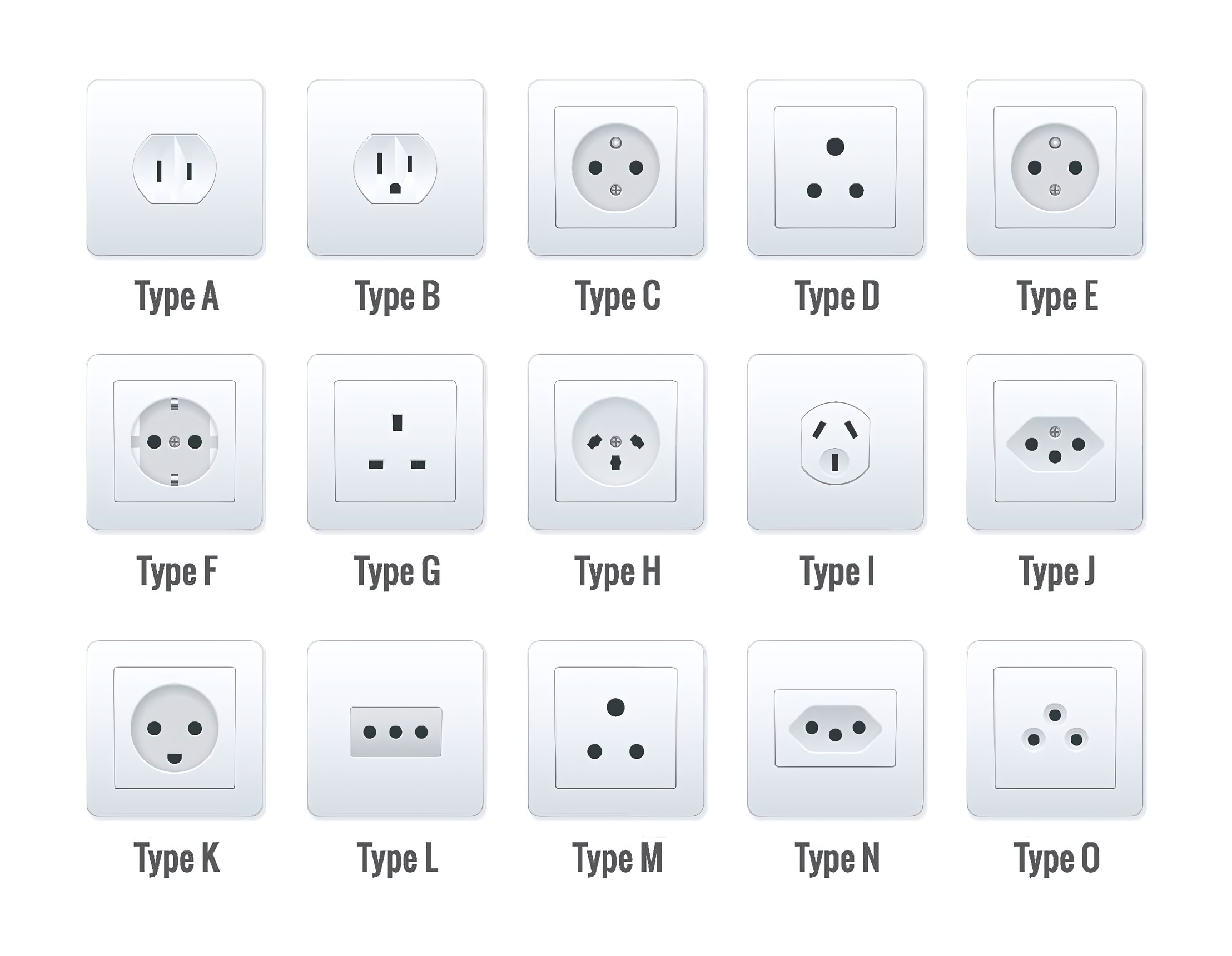
Quickly identify types A–O
The plug shape is for guidance only. When ordering, the destination country, electrical specifications and approval status of the specific power cable are crucial.


 Type E and Type F: The widely used CEE-7/7 plug combines the safety contact features of the Type E and Type F systems and is often referred to as Type E+F.
Mains plugs by country – plug type, mains voltage and approval
The following table is intended for technical pre-selection. Mains ratings are typical nominal values. For mass-produced devices, B2B procurement and export, the technical data and approvals for the specific product are decisive.
| Country / Market | Plug type | Typical mains | Standard / Certification mark | MAG selection |
|---|---|---|---|---|
| Germany / Europe |
Type C · Type E+F · CEE 7/7 · CEE 7/17 | 230 V / 50 Hz | CEE / EN 50075 · VDE / ENEC depending on version | Mains cable Europe → |
  USA / Canada USA / Canada |
Type A / B · NEMA 1-15P / NEMA 5-15P | typ. 120 V / 60 Hz | UL / CSA / cULus · Observe AWG | US/Canada power cable → |
 Great Britain / UK Great Britain / UK |
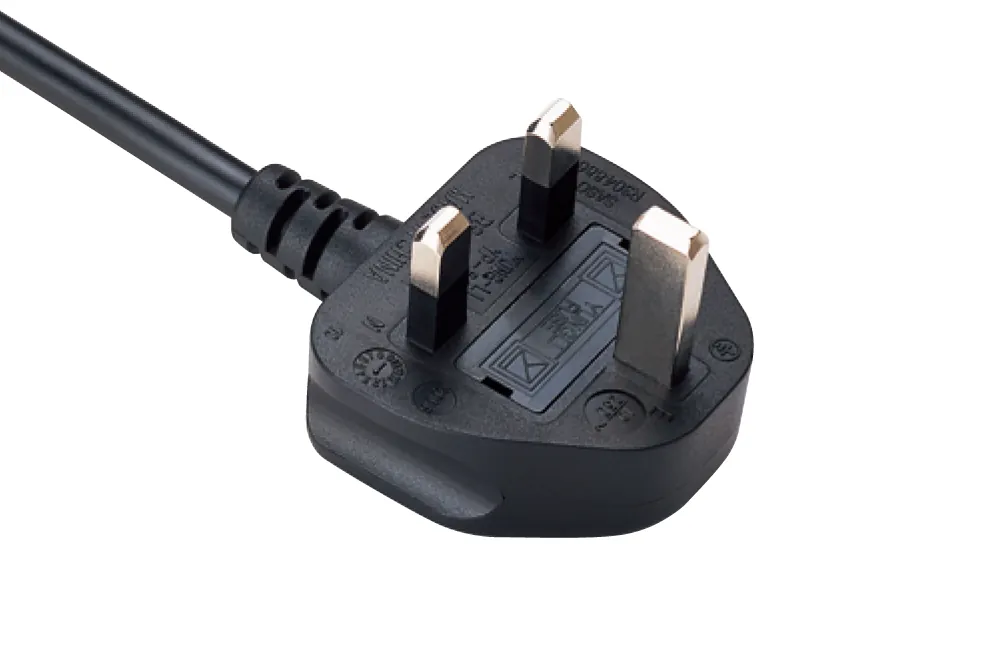
Type G · BS 1363 | 230 V / 50 Hz | BS 1363 · ASTA or BSI/Kitemark depending on the item · Fuse | UK power cable → |
 Saudi Arabia Saudi Arabia |
Type G | typ. 230 V / 60 Hz | SASO · national requirements per item | Check Type G version |
 Hong Kong Hong Kong |
Type G | 220 V / 50 Hz | Local safety requirements per item | Check Type G version |
 Singapore Singapore |
Type G | 230 V / 50 Hz | SS 145 · SAFETY Mark for each product version | Check Type G version |
  Switzerland / Liechtenstein Switzerland / Liechtenstein |
Type J · suitable 2-pole CH versions | 230 V / 50 Hz | SN 441011 · Check product variant | Swiss mains cable → |
  Australia / New Zealand Australia / New Zealand |
Type I | 230 V / 50 Hz | AS/NZS 3112 · SAA or approval as per item | Australian power cable → |
 China China |
Type I / Type A depending on application | 220 V / 50 Hz | CCC depending on product variant | China power cable → |
 Japan Japan |
Type A / B · JIS | 100 V / 50 or 60 Hz | JIS C 8303 · PSE / JET per item | Japan power cable → |
 India India |
Type C / D / M depending on application | 230 V / 50 Hz | BIS per product variant | India power cable → |
 Brazil Brazil |
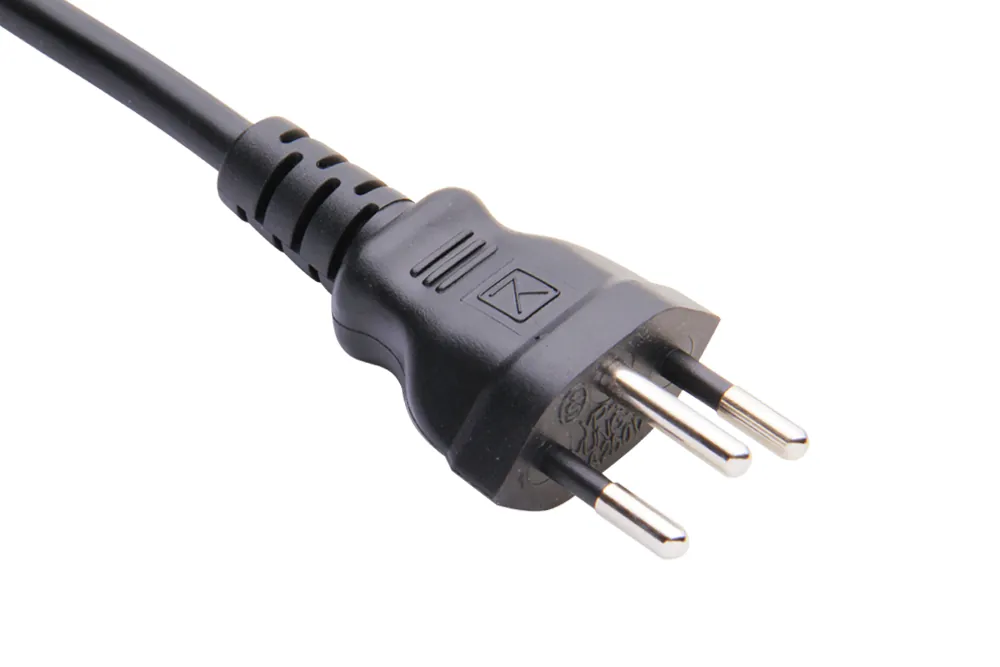
Type N | Regional 127 / 220 V · 60 Hz | NBR 14136 · INMETRO per item | Brazil power cable → |
 South Korea South Korea |
KS-C-8305-based versions | 220 V / 60 Hz | KC / KTL per item | Korea power cable → |
 Italy Italy |
Type L | 230 V / 50 Hz | IMQ / national requirements per item | Italy power cable → |
 Denmark Denmark |
Type K | 230 V / 50 Hz | DEMKO / national requirements per item | Denmark power cable → |
 Israel Israel |
Type H | 230 V / 50 Hz | SII per item | Israel power cable → |
 South Africa South Africa |
Type M / SANS-164 versions per application | 230 V / 50 Hz | SANS 164 · SABS per product variant | South Africa power cables → |
 Argentina Argentina |
Type I | 220 V / 50 Hz | IRAM / local approval per item | Argentina power cable → |
 Thailand Thailand |
Type O | 230 V / 50 Hz | TIS 166-2549 per item | Thailand power cable → |
Other important countries using plug type G
Type G is used not only in the UK but also in numerous other European, Asian and Arab markets. Although the plug shape is the same, different national requirements may apply.
 Ireland · Malta · Cyprus
 Malaysia · Brunei

 UAE · Qatar · Bahrain
 Oman · Kuwait
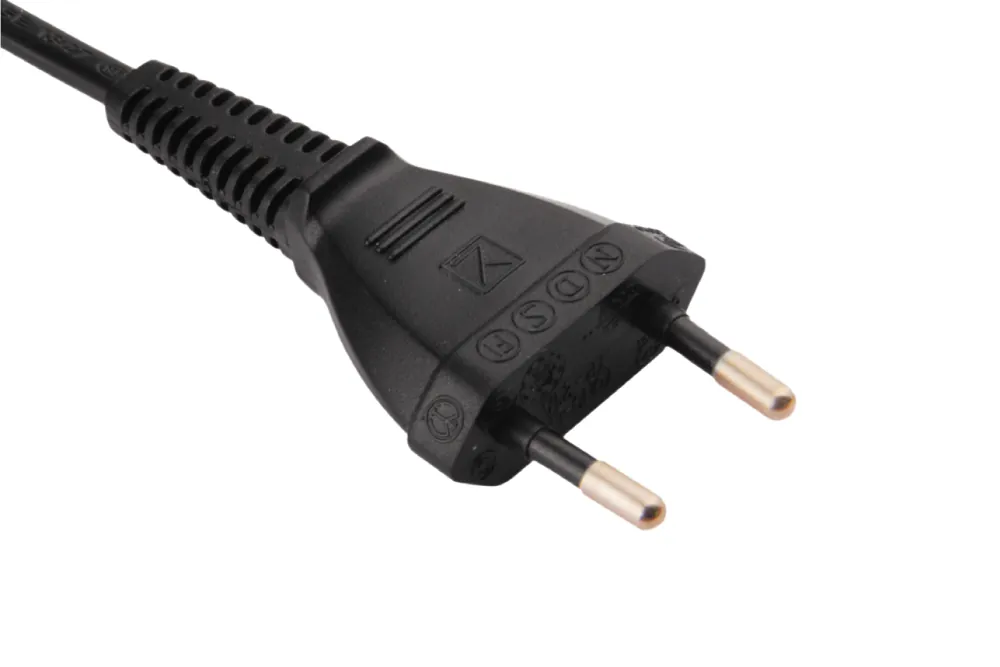
Visually identifying mains plugs – MAG reference images
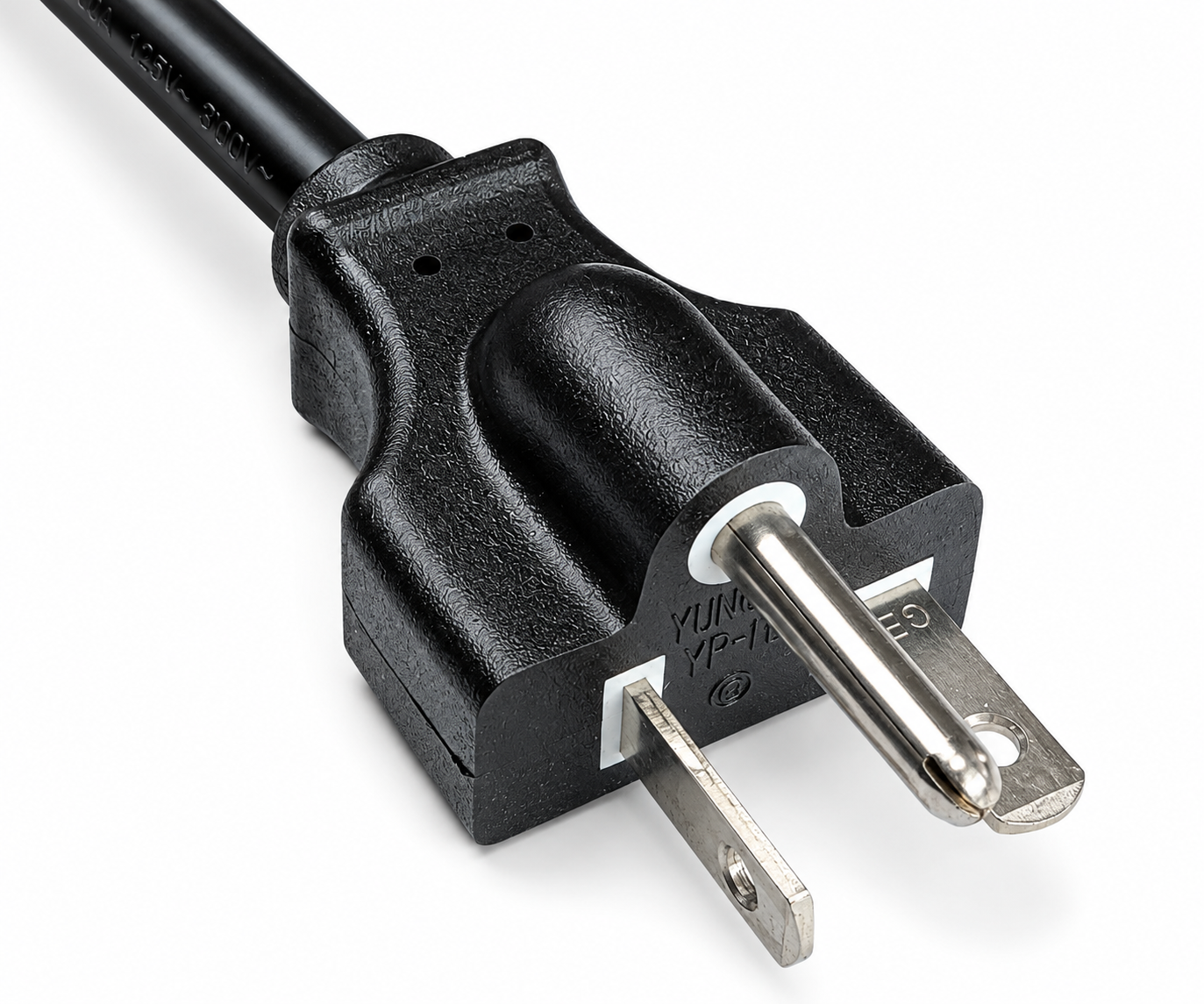
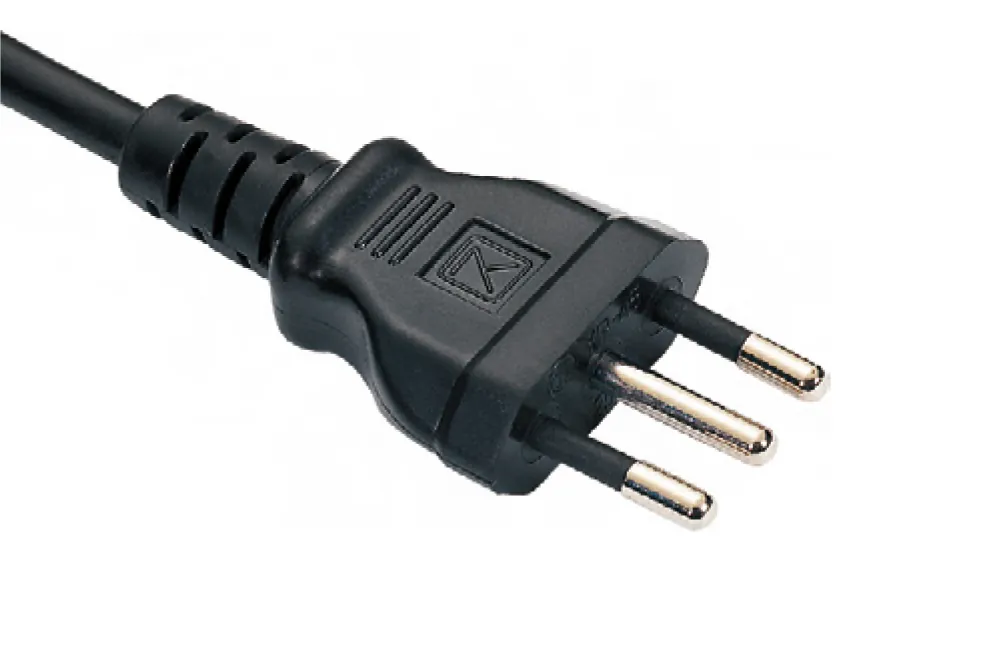
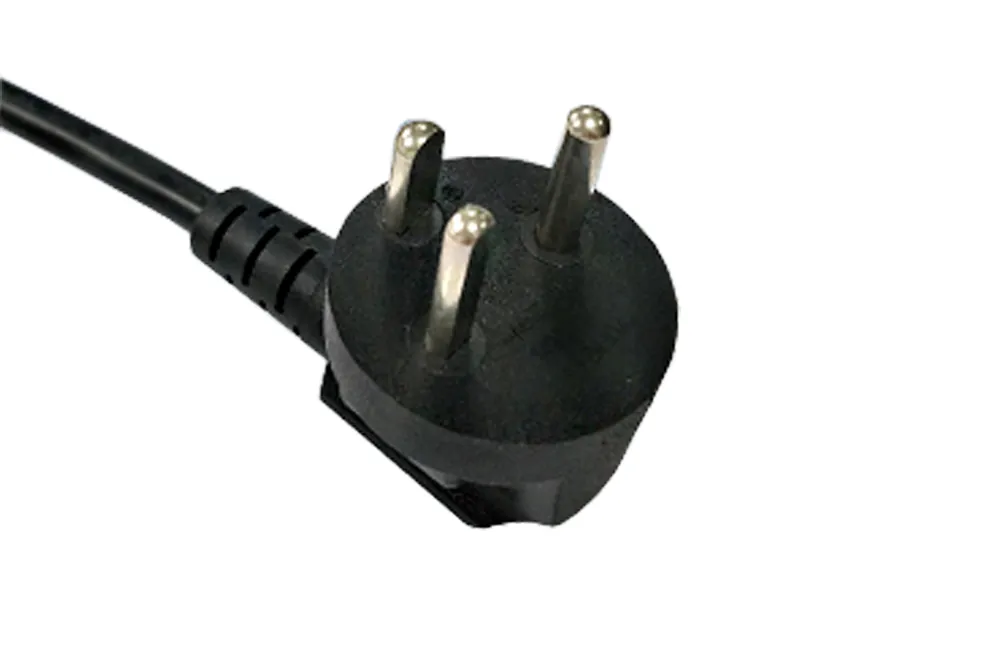
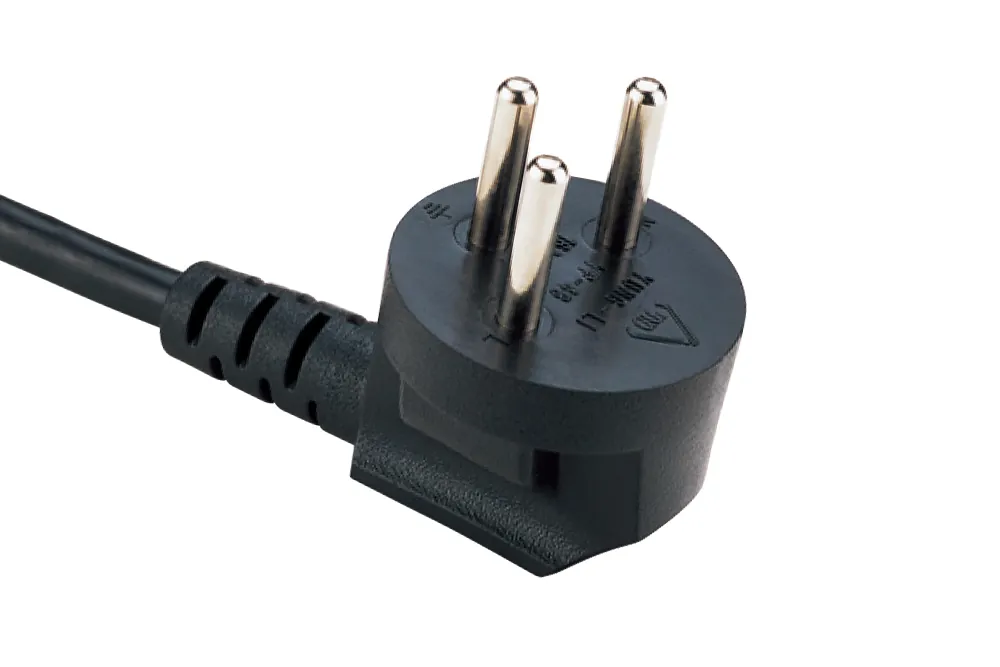
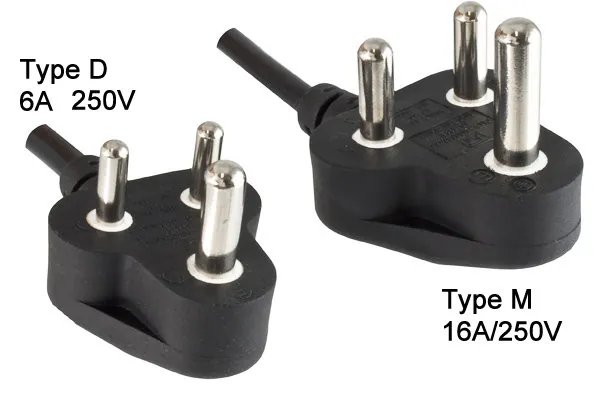
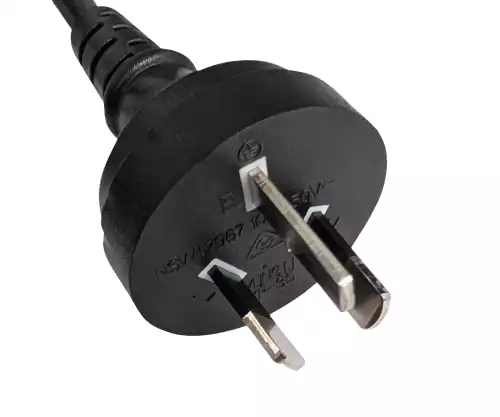
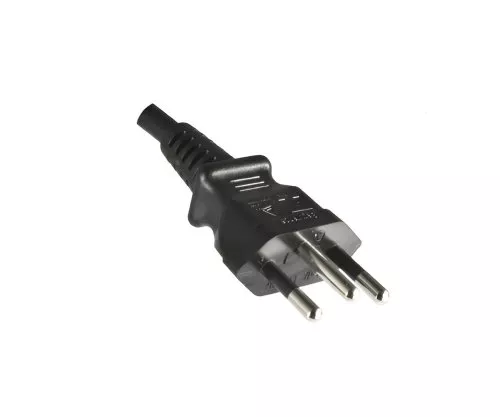
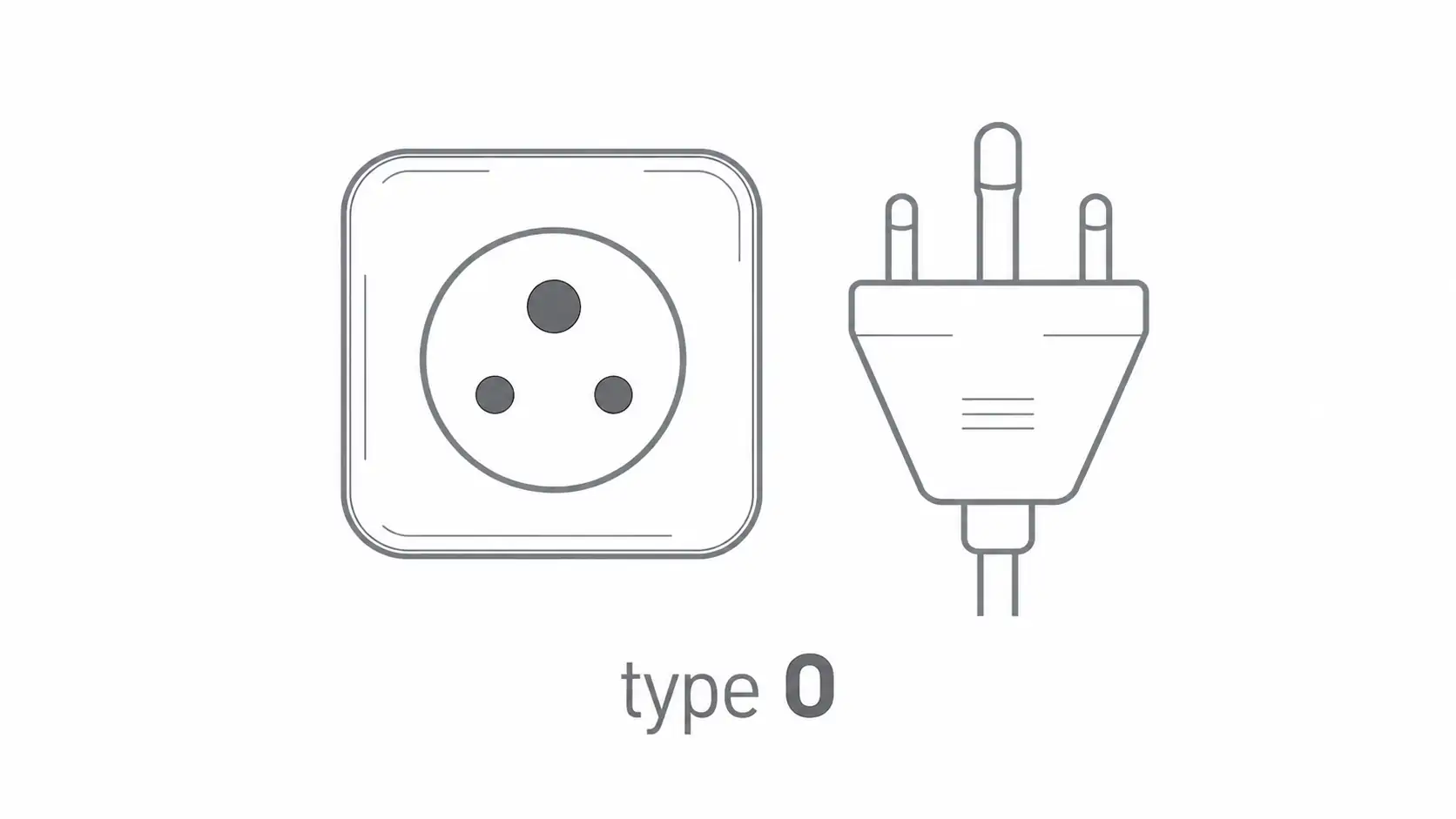
These images help with the quick identification of international mains plugs. Next to each plug type, you will find a brief technical description as well as a direct link to the relevant MAG guide or the corresponding power cable category.
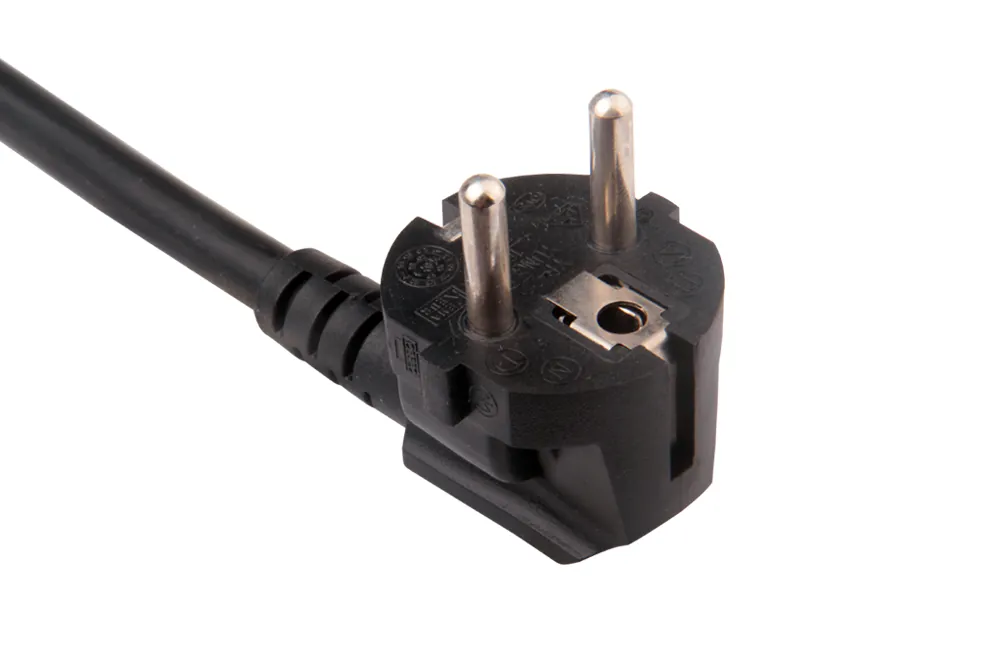
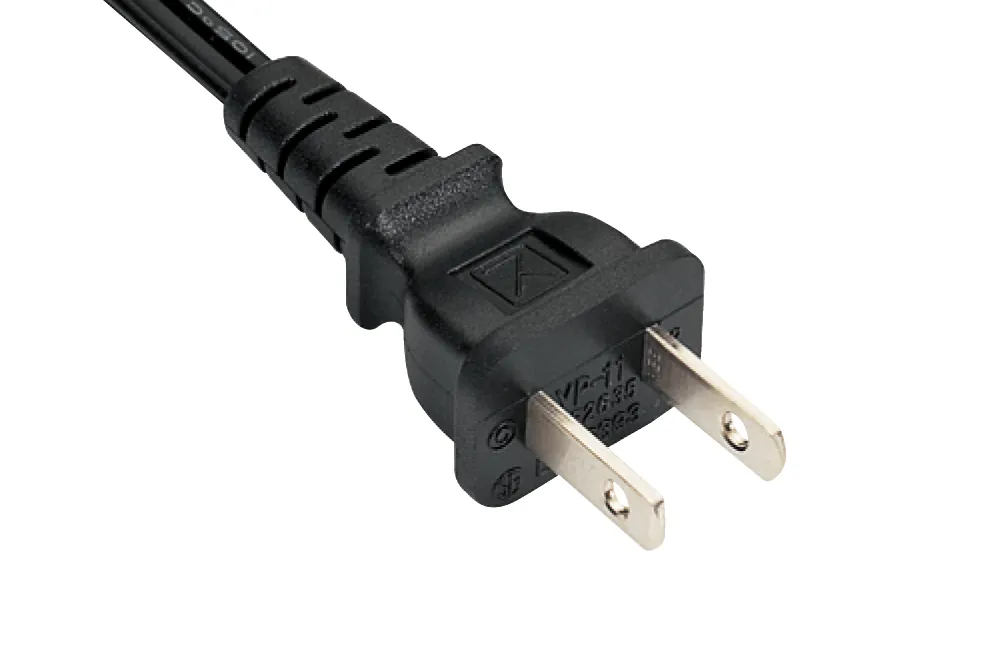
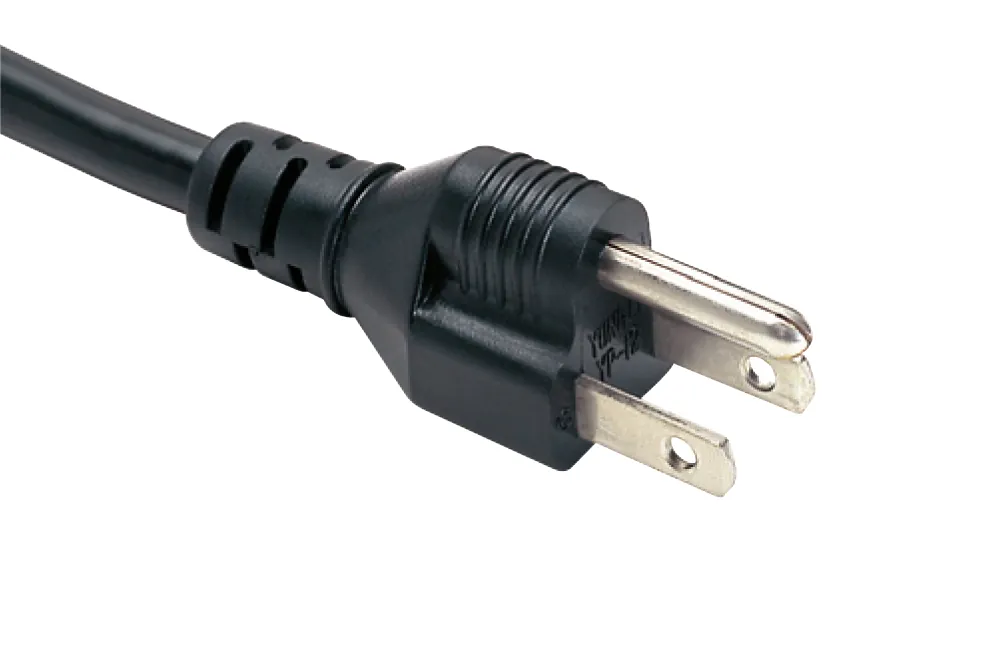
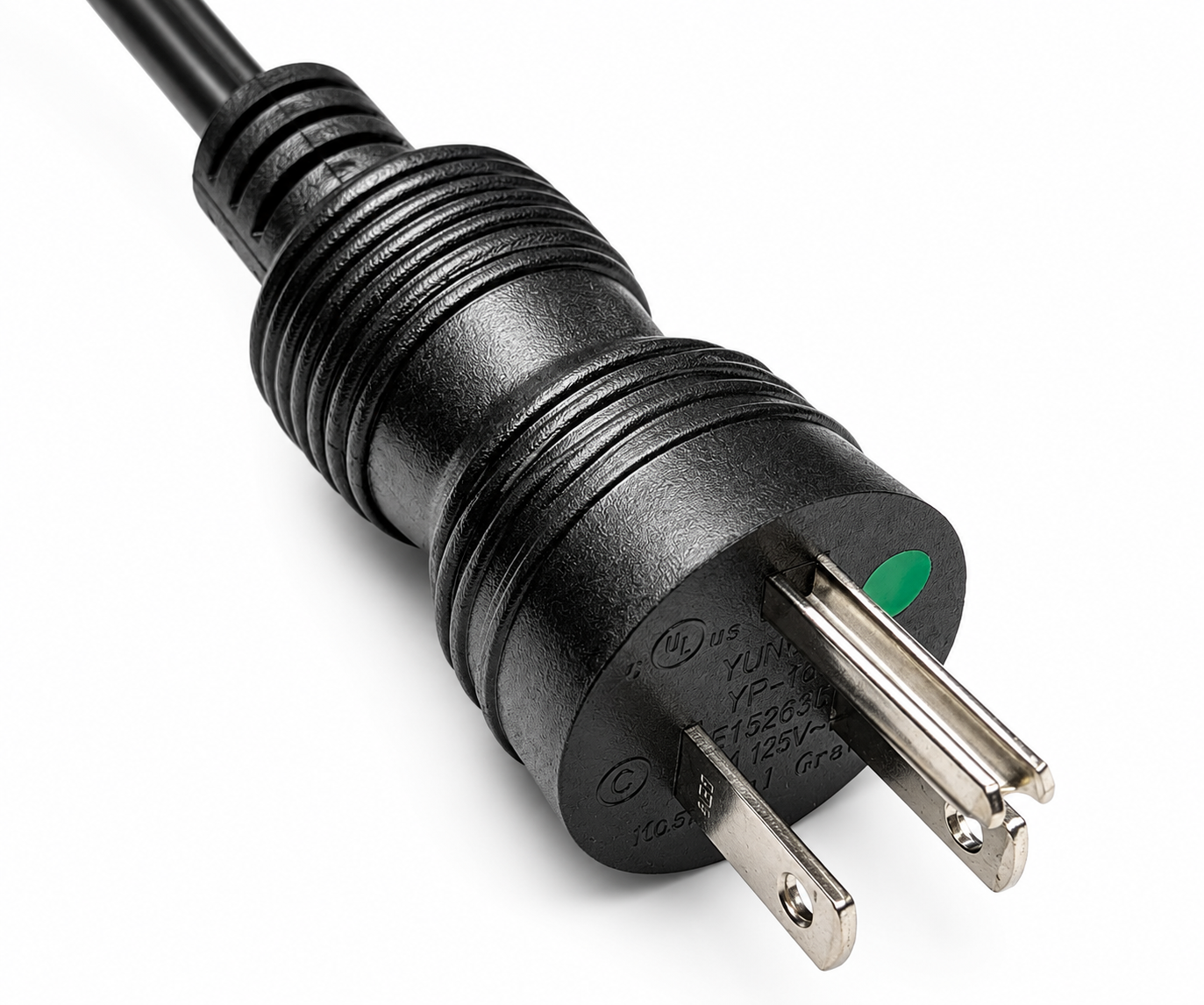
Approvals and test marks for international power cables
National standards, certifications and test marks play an important role in international power cables. The specific certification requirements depend on the target market, product, device and area of application.
USA / Canada
United Kingdom
China · Japan · India
Other target markets
Mains plug on the mains side – IEC 60320 on the appliance side
An international mains cable is only uniquely identified by the combination of country-specific plug, cable and appliance connector. Common IEC appliance connectors include C7, C5, C13, C15, C17 and C19.
C5, C7, C13, C15, C17 and C19 differ in design, temperature range and application.
Compare IEC appliance plugs →Select 0.75 mm², 1.0 mm² or 1.5 mm² to suit the current load, length and application.
Power cable cross-section →Select by country, mains plug, IEC connector, length and product version.
International power cables →Adapter solutions for servicing, testing and temporary applications.
International power adaptors →Connection solutions for countries and projects not listed in the main categories.
Power cables – Rest of the world →What information is required for an international power cable?
The more precise the specification, the quicker we can check whether a standard item is suitable or whether a project-specific custom design is required.
Frequently asked questions about international mains plugs
Which mains plug is used in which country?
Examples include Type G in the UK, Type J in Switzerland, Type I in Australia, Type N in Brazil, Type H in Israel, Type K in Denmark and Type O in Thailand. Some countries use several plug systems in parallel.
What is the difference between Type E and Type F?
Type E and Type F use different earth contact systems. The widely used CEE-7/7 plug combines both earth contact options and is often referred to as Type E+F.
Is Type G only common in the UK?
No. Type G is also used in Ireland, Malta, Cyprus, Hong Kong, Singapore, Malaysia, Saudi Arabia, the United Arab Emirates, Qatar, Bahrain, Oman, Kuwait and Brunei, amongst others.
What does ‘NEMA 5-15P Hospital Grade’ mean?
‘Hospital Grade’ refers to North American plugs that are designed and labelled accordingly for specialised applications. A well-known identifying feature of such plugs is the ‘Green Dot’.
What is NEMA 6-20P?
NEMA 6-20P is a North American plug system for 250 V applications up to 20 A. It requires a matching NEMA 6-20 socket and must not be confused with NEMA 5-15P.
Is every NEMA 6-20P cable automatically suitable for 20 A?
No. The entire connection assembly is crucial. The mains plug, cable, AWG cross-section and IEC appliance coupler must all be rated together for the required current.
What is the difference between Type D and Type M in India?
Both plug systems are three-pin and earthed. Type M is larger and designed for higher current ratings. Type D and Type M are therefore not interchangeable.
Which mains plug is used in Brazil?
In Brazil, Type N in accordance with NBR 14136 is the standard. In addition, the regional mains voltage must be taken into account, as both 127 V and 220 V may be used.
Which mains plug is used in Thailand?
Type O is the Thai national plug system. For professional equipment and mass-production projects, the specific TIS-compliant product design should be checked.
Is a mechanically compatible mains plug sufficient?
No. In addition, the mains voltage, frequency, protection class, current consumption, conductor cross-section, equipment connection and, where applicable, national approval requirements must all be correct.
What is the difference between a country-specific plug and an IEC appliance plug?
The country-specific plug connects the cable to the mains socket. The IEC appliance plug connects the cable to the appliance. A UK mains cable, for example, may consist of a Type G plug followed by an IEC C13 plug.
Can a mains adapter alter the mains voltage?
A simple mechanical mains adapter does not alter the mains voltage. The connected appliance must therefore be suitable for the voltage and frequency of the relevant mains supply.